Smart Walking Shoes for Blind | Best Science Project Kit for STEM & Assistive Tech
Technical Specifications
- Project Name: Smart Walking Shoes for Blind
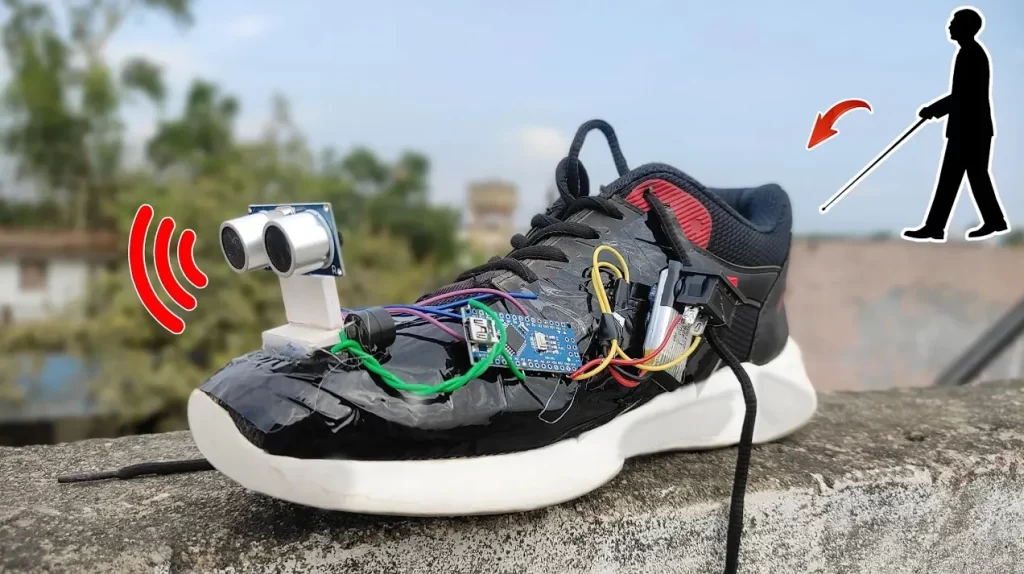
- Technology: Ultrasonic Obstacle Detection System
- Microcontroller: Arduino Nano (or similar)
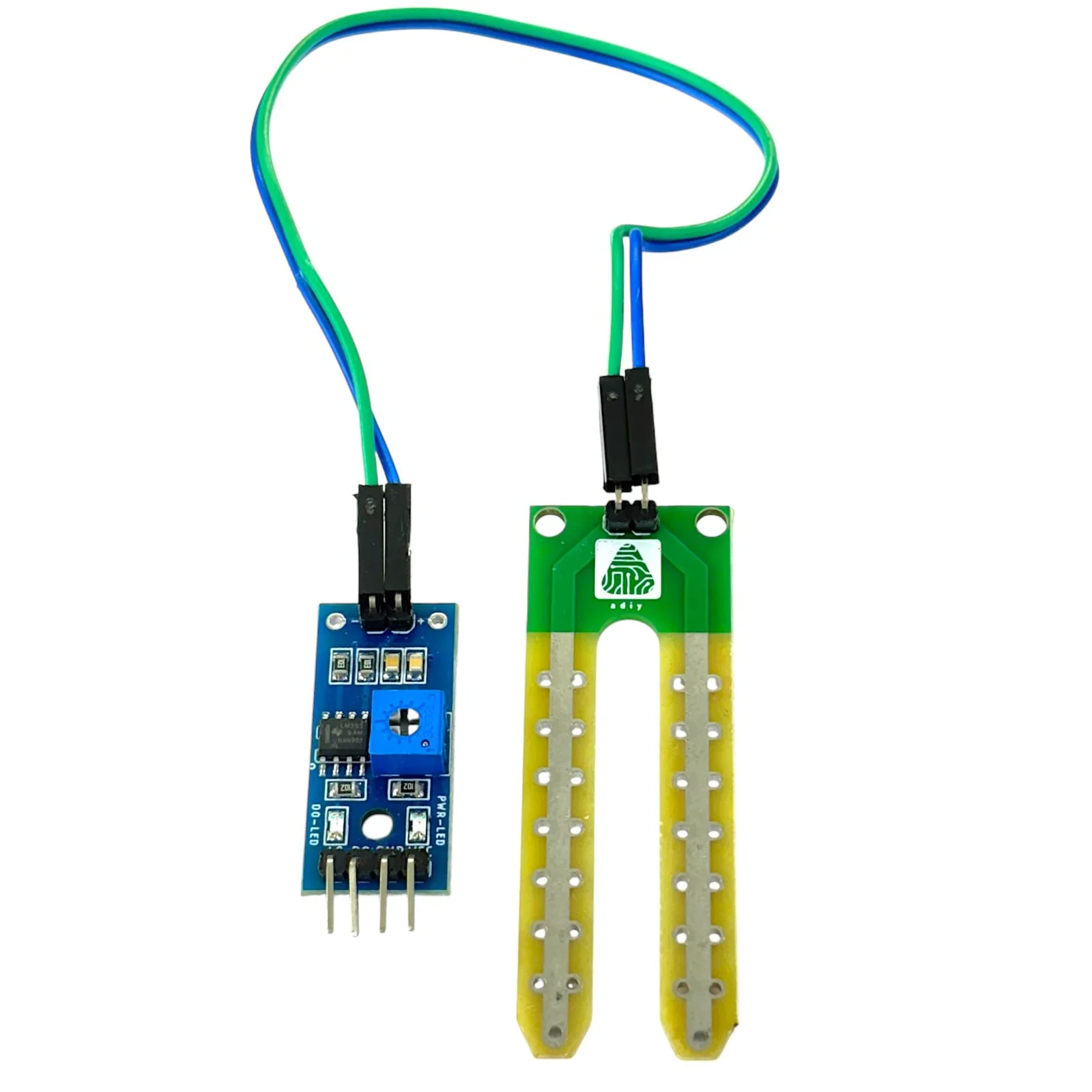
- Sensors: Ultrasonic Distance Sensor (HC-SR04 or equivalent)
- Feedback Output: Buzzer / Vibrator Alert System
- Power Source: 9V Non-Rechargeable Battery
- Shoe Platform: Single Shoes
- Interface: Wired Sensor Connections
- Application: Obstacle Alert
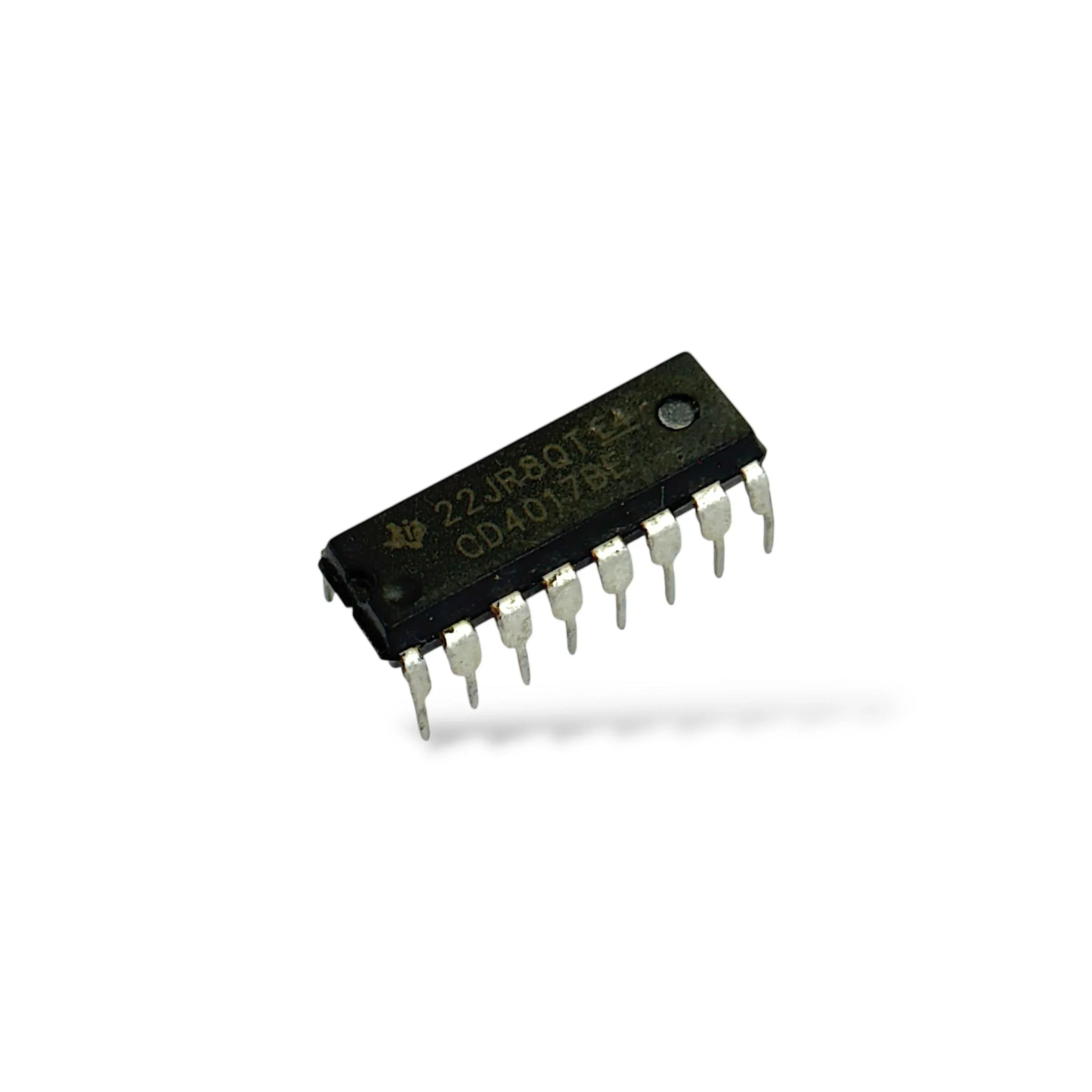
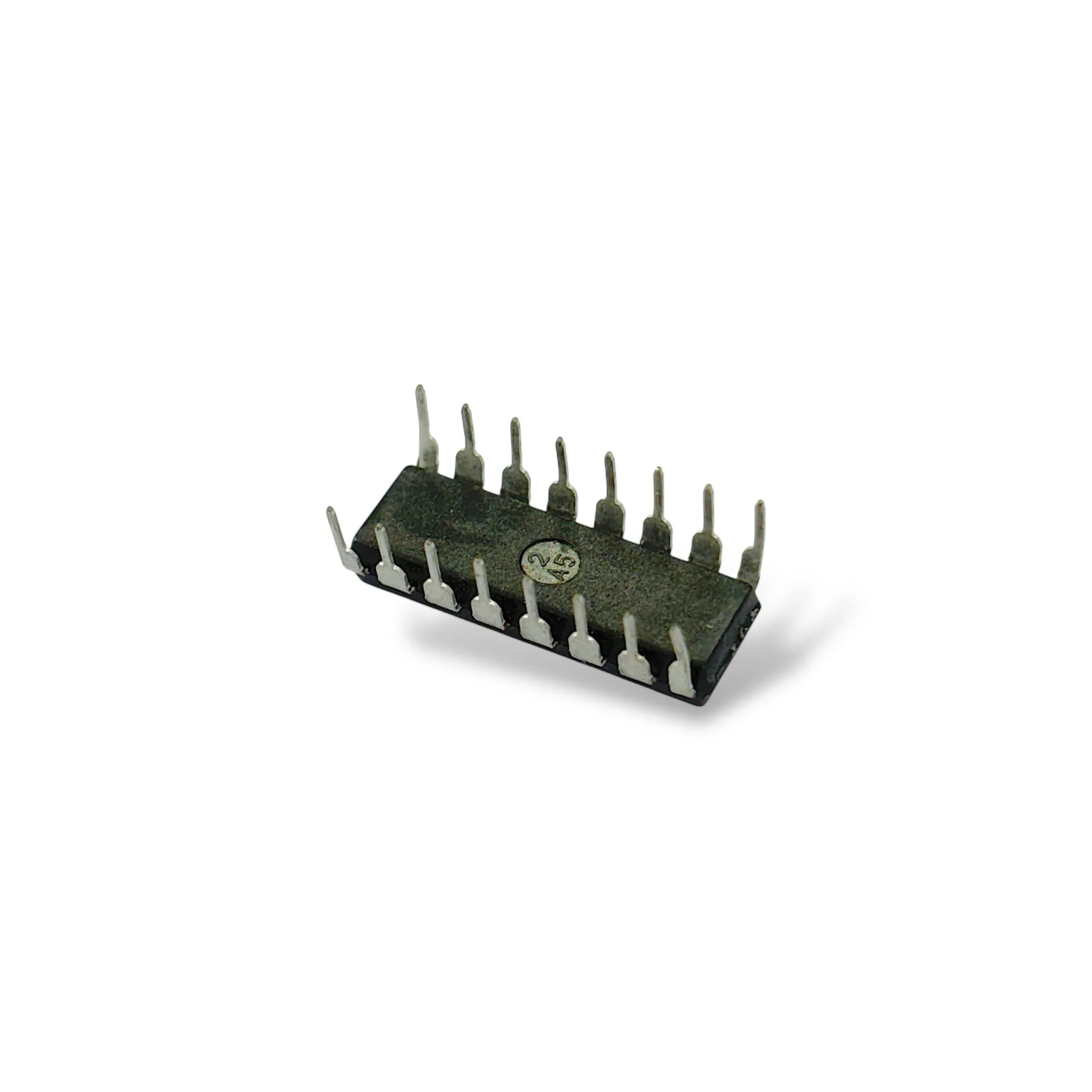
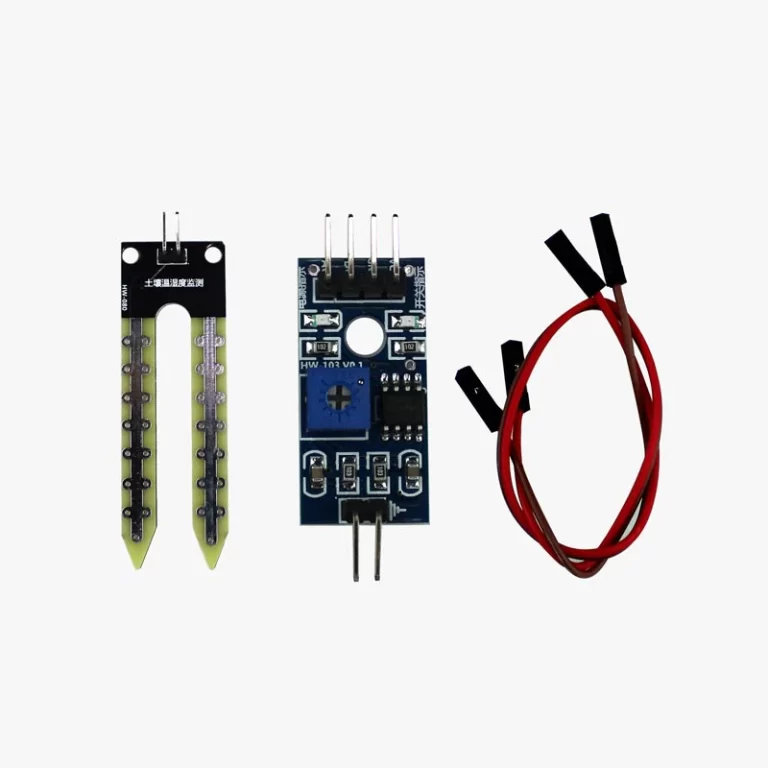
- Kit Includes: Sensor, Arduino, Wires, Battery (full working kit)
Product Description
The Smart Walking Shoes for Blind is an innovative science project kit designed to help students and makers build a wearable assistive device that enhances mobility for visually impaired users. By integrating ultrasonic sensors with an Arduino microcontroller, this project detects nearby obstacles and provides alerts through a buzzer or vibration feedback, helping a user sense barriers ahead.
This kit is ideal for STEM learning, school and college exhibitions, science fairs, and assistive technology demonstrations. It encourages hands-on learning in electronics, programming, sensors, and wearable robotics, while highlighting real-world problem solving. With clear component lists, code examples, and assembly guidance, learners can quickly prototype and test a functional model that demonstrates practical assistive technology.
Technical Specifications
- Project Name: Smart Walking Shoes for Blind
- Technology: Ultrasonic Obstacle Detection System
- Microcontroller: Arduino Nano (or similar)
- Sensors: Ultrasonic Distance Sensor (HC-SR04 or equivalent)
- Feedback Output: Buzzer / Vibrator Alert System
- Power Source: 9V Non-Rechargeable Battery
- Shoe Platform: Single Shoes
- Interface: Wired Sensor Connections
- Application: Obstacle Alert
- Kit Includes: Sensor, Arduino, Wires, Battery (full working kit)
Product Description
The Smart Walking Shoes for Blind is an innovative science project kit designed to help students and makers build a wearable assistive device that enhances mobility for visually impaired users. By integrating ultrasonic sensors with an Arduino microcontroller, this project detects nearby obstacles and provides alerts through a buzzer or vibration feedback, helping a user sense barriers ahead.
This kit is ideal for STEM learning, school and college exhibitions, science fairs, and assistive technology demonstrations. It encourages hands-on learning in electronics, programming, sensors, and wearable robotics, while highlighting real-world problem solving. With clear component lists, code examples, and assembly guidance, learners can quickly prototype and test a functional model that demonstrates practical assistive technology.
Original: $19.89
-65%$19.89
$6.96Description
Technical Specifications
- Project Name: Smart Walking Shoes for Blind
- Technology: Ultrasonic Obstacle Detection System
- Microcontroller: Arduino Nano (or similar)
- Sensors: Ultrasonic Distance Sensor (HC-SR04 or equivalent)
- Feedback Output: Buzzer / Vibrator Alert System
- Power Source: 9V Non-Rechargeable Battery
- Shoe Platform: Single Shoes
- Interface: Wired Sensor Connections
- Application: Obstacle Alert
- Kit Includes: Sensor, Arduino, Wires, Battery (full working kit)
Product Description
The Smart Walking Shoes for Blind is an innovative science project kit designed to help students and makers build a wearable assistive device that enhances mobility for visually impaired users. By integrating ultrasonic sensors with an Arduino microcontroller, this project detects nearby obstacles and provides alerts through a buzzer or vibration feedback, helping a user sense barriers ahead.
This kit is ideal for STEM learning, school and college exhibitions, science fairs, and assistive technology demonstrations. It encourages hands-on learning in electronics, programming, sensors, and wearable robotics, while highlighting real-world problem solving. With clear component lists, code examples, and assembly guidance, learners can quickly prototype and test a functional model that demonstrates practical assistive technology.